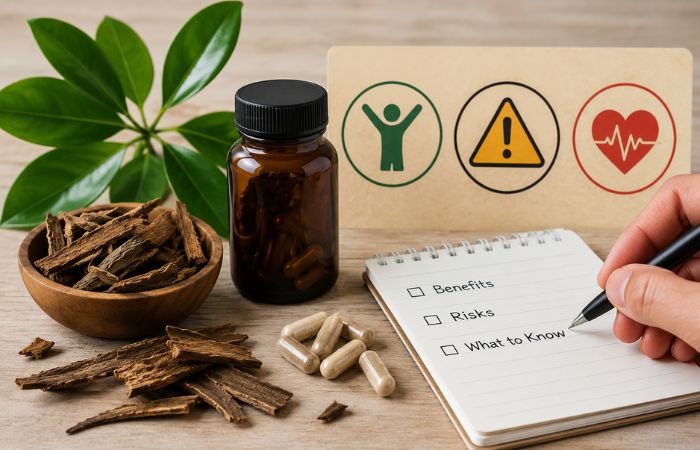
Does Fenugreek Boost Testosterone and Libido?
Fenugreek may give testosterone a modest, inconsistent lift, some studies show a real increase, others show barely any difference from placebo. Its effect on libido is more reliable across research, even in men whose testosterone barely changed. So it’s not a guaranteed testosterone booster, but it may genuinely help sex drive for some men.
Fenugreek has become one of the most talked-about herbs in men’s health circles.
It shows up in supplements promising better energy, stronger workouts, and a healthier sex drive.
But separating the marketing from the science can be confusing.
This article breaks down what fenugreek actually does inside the body, based on clinical research rather than hype.
You will learn how it may affect testosterone and libido, why results vary so much between studies, and what a realistic expectation looks like.
In this article, you will learn:
- What fenugreek is and why it became linked to testosterone and libido
- The main factors that influence testosterone and sexual desire naturally
- What clinical studies actually found, including the mixed results
- How fenugreek is thought to work in the body
- Common misconceptions worth clearing up
- What people typically do to support healthy testosterone and libido
- Practical takeaways and answers to common questions
Testosterone and libido affect far more than sex drive. They play a role in energy, mood, muscle strength, and overall confidence as men get older.
Many men start noticing changes in their 30s and 40s, well before anything shows up on a lab report.
This has fueled interest in natural options like fenugreek that claim to support hormone health without a prescription.
Understanding what the research actually supports, rather than what marketing claims, helps you make a more informed decision.
What Is Fenugreek? (Trigonella Foenum-Graecum Explained)
Fenugreek (Trigonella foenum-graecum) is an herb that has been used in cooking and traditional medicine for centuries, particularly in South Asian and Middle Eastern cuisine.
The seeds contain natural plant compounds, including saponins like protodioscin, which researchers believe may interact with hormone pathways.
Today, fenugreek is most commonly sold as a standardized seed extract in capsule form, often marketed specifically toward men interested in testosterone and libido support.
What Causes Low Testosterone and Low Libido in Men
Testosterone and libido rarely decline because of one single factor.
Several things typically play a role at the same time.
- Natural aging, since testosterone gradually declines after the early 30s
- Poor sleep quality or chronic sleep deprivation
- High stress levels and elevated cortisol
- Excess body fat, particularly around the midsection
- Low physical activity or a sedentary lifestyle
- Poor diet, especially diets low in essential nutrients like zinc and vitamin D
- Certain medications or underlying health conditions
Signs of Low Testosterone and Reduced Libido
Low testosterone and reduced libido can show up in ways that are easy to dismiss as normal aging or stress.
- Lower interest in sex or reduced sexual thoughts
- Persistent fatigue, even after adequate sleep
- Difficulty building or maintaining muscle
- Increased body fat, especially around the abdomen
- Mood changes, including irritability or low motivation
- Trouble concentrating
These signs are not proof of low testosterone on their own. A blood test is the only reliable way to confirm hormone levels.
How Fenugreek Affects Testosterone and Libido
Fenugreek seeds contain compounds called saponins, particularly protodioscin, which researchers believe may influence how the body produces or converts testosterone.
Some studies also suggest fenugreek may modestly reduce the conversion of testosterone into estrogen, which could help preserve more usable testosterone.
Separately, fenugreek appears to support libido through pathways that are not fully tied to testosterone levels at all.
Some researchers point to improved blood flow, reduced anxiety, and better energy as possible contributors.
This may explain why several studies show libido improving even when testosterone on a blood test barely moves.
In other words, fenugreek may help you feel more interested in sex without dramatically changing your hormone numbers.
Fenugreek and Testosterone: Common Myths vs Facts
- “Fenugreek works like testosterone therapy.” It does not. Clinical trials show a modest effect at best, nothing close to prescription hormone treatment.
- “Every study agrees fenugreek raises testosterone.” It does not. Some trials show a meaningful increase, others show little to no change compared to placebo.
- “If it doesn’t raise testosterone, it’s not doing anything.” Not necessarily. Several studies show libido improving independently of testosterone changes.
- “More fenugreek means faster or bigger results.” Higher doses have not consistently shown better outcomes in the research, and safety at high doses is less studied.
How Men Naturally Support Testosterone and Libido
Most men exploring this topic start with lifestyle changes before or alongside any supplement.
Common approaches include improving sleep habits, adding resistance training, managing stress, and adjusting diet.
Some men also try herbal supplements like fenugreek, ashwagandha, or zinc-based formulas, often after researching ingredients backed by at least some clinical evidence.
Others speak with a doctor first, especially if symptoms are persistent or affecting daily life.
Fenugreek Supplement Options: What to Look For
- Lifestyle changes: Prioritizing sleep, strength training, and stress management, since these have some of the strongest evidence for supporting healthy testosterone.
- Diet adjustments: Ensuring adequate intake of zinc, vitamin D, and healthy fats, all linked to hormone production.
- Herbal supplements: Fenugreek extract, typically standardized for protodioscin content, used consistently for at least 8 to 12 weeks based on study timelines.
- Medical evaluation: A blood test and consultation with a doctor if symptoms are significant, since low testosterone sometimes points to an underlying condition worth treating directly.
Key Takeaways: Does Fenugreek Really Work?
- Fenugreek may offer a modest, inconsistent boost to testosterone, with some studies showing meaningful increases and others showing little change.
- The evidence for libido improvement is more consistent across studies than the evidence for testosterone increases.
- Most clinical benefits were measured after 8 to 12 weeks of consistent daily use.
- Fenugreek is not a substitute for testosterone therapy or medical treatment of diagnosed low testosterone.
- Lifestyle factors like sleep, exercise, and stress management remain foundational, with or without a supplement.
Fenugreek Testosterone FAQ
Does fenugreek really increase testosterone levels?
Some clinical studies show a meaningful increase in testosterone with fenugreek extract, while others show little to no difference compared to placebo. The overall evidence points to a modest and inconsistent effect rather than a guaranteed result.
How long does it take for fenugreek to work for libido or testosterone?
Most clinical trials measured results after 8 to 12 weeks of consistent daily use. Some studies noted libido improvements as early as 4 to 6 weeks, while testosterone changes typically took longer to appear on blood tests.
Is fenugreek safe to take daily?
Fenugreek is generally well tolerated in the dosages used in clinical studies, though it can cause mild digestive discomfort in some people. Anyone with existing health conditions or taking medication should check with a doctor before starting any new supplement.
Can fenugreek help with libido even if testosterone doesn’t change?
Yes, several studies found improved libido in men whose testosterone levels stayed relatively stable. This suggests fenugreek may influence sexual desire through pathways beyond testosterone alone.
Is fenugreek a replacement for testosterone replacement therapy?
No. Fenugreek’s effects are considered mild compared to prescription testosterone therapy, which is monitored and dosed by a physician. Men with clinically diagnosed low testosterone should speak with a doctor about appropriate treatment options.
What form of fenugreek do studies typically use?
Most clinical research uses standardized fenugreek seed extract, often enriched for a compound called protodioscin, rather than raw fenugreek seeds or powder. This standardization helps ensure a consistent, measurable dose in each study.
Source:
https://pursuit.unimelb.edu.au/articles/the-myth-of-testosterone-rex
https://clinicaltrials.gov/study/NCT03242408?term=testosterone&utm_source=chatgpt.com&viewType=Card&rank=1
https://europepmc.org/article/MED/42415341
https://pubmed.ncbi.nlm.nih.gov/8273987

Richard Amaro, is a renowned writer, sex therapist, and coach, with years of experience helping individuals and couples enhance their relationships and intimacy. Read more about me…