Does Shockwave Therapy Work for Erectile Dysfunction?
Low-intensity shockwave therapy shows a modest, real improvement in erectile function for some men, mainly those with mild to moderate ED linked to blood flow. Clinical trial evidence is still low-certainty, and major urology guidelines classify it as investigational rather than standard treatment. It’s not a proven cure, but it isn’t baseless either.
Shockwave therapy has become a popular alternative for men looking for a non-drug approach to erectile dysfunction.
It is often marketed as a natural fix that addresses the root cause rather than masking symptoms like pills do. That claim deserves a closer look before anyone spends money on a treatment course.
This article explains what the research actually shows, how the treatment works, and what a realistic expectation looks like.
In this article, you will learn:
- What shockwave therapy is and how it is used for erectile dysfunction
- The common causes of erectile dysfunction it is meant to target
- What signs suggest a man might be a candidate for this treatment
- How shockwave therapy is thought to work inside the body
- Common misconceptions worth clearing up
- What men typically do when considering this treatment
- Other options available for managing erectile dysfunction
- Answers to common questions
Why Shockwave Therapy for ED Matters
Erectile dysfunction affects a large share of men at some point, and many feel frustrated with pills, injections, or surgery as their only options.
Shockwave therapy is often presented as a simpler, drug-free alternative, which makes it appealing.
But because it is not yet approved by the FDA specifically for erectile dysfunction and is not covered by most insurance, men are often paying out of pocket for a treatment with limited long-term data.
Understanding what the evidence actually supports helps avoid disappointment and wasted money.
What Is Shockwave Therapy for Erectile Dysfunction?
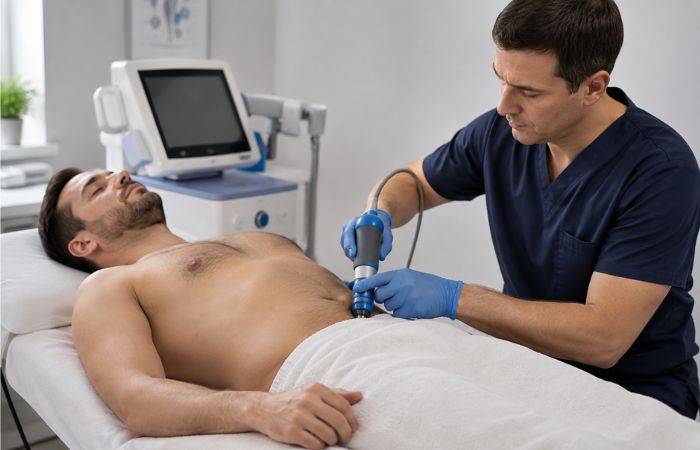
Low-intensity shockwave therapy, sometimes called LiSWT or LI-ESWT, uses acoustic pulse waves delivered through a handheld device applied to the penis.
The treatment is non-invasive and typically done in a series of short in-office sessions over several weeks.
It was originally developed for breaking up kidney stones at much higher intensities.
The low-intensity version used for erectile dysfunction is a different application, aimed at stimulating tissue rather than breaking anything apart.
What Causes Erectile Dysfunction? Common Contributing Factors
Shockwave therapy is primarily studied for erectile dysfunction linked to blood flow problems, though ED often has more than one contributing cause.
- Reduced blood flow to the penis, often related to vascular health
- Diabetes, which can affect both nerves and blood vessels
- High blood pressure or high cholesterol
- Smoking, which damages blood vessels over time
- Nerve damage, including after prostate surgery
- Psychological factors like stress, anxiety, or relationship strain
- Low testosterone or other hormone imbalances
Who Is a Good Candidate for Shockwave Therapy?
- Erectile dysfunction that has not responded well to pills like sildenafil or tadalafil
- Mild to moderate erectile dysfunction, since most research focuses on this group
- A preference for avoiding daily medication or injections
- Erectile dysfunction linked to reduced blood flow rather than purely psychological causes
- Interest in a non-invasive option before considering surgery
A doctor can help determine whether the underlying cause makes someone a reasonable candidate.
How Shockwave Therapy Works for Erectile Dysfunction
The pulse waves used in this therapy are thought to stimulate the growth of new small blood vessels in penile tissue, a process called angiogenesis.
Researchers believe this may improve blood flow over time, which is central to achieving and maintaining an erection.
Some studies also suggest the treatment may help release growth factors that support tissue repair.
This is different from medications like sildenafil, which work quickly by temporarily relaxing blood vessels, since shockwave therapy is intended to produce gradual, longer-lasting changes over a full treatment course.
A 2026 Cochrane review found that shockwave therapy produced a small improvement in erectile function scores compared to sham treatment, both in the short term and, to a somewhat larger degree, in the long term.
The review also noted that the certainty of this evidence remains low due to differences in study design.
Shockwave Therapy for ED: Common Myths vs Facts
- “Shockwave therapy cures erectile dysfunction permanently.” Current evidence does not support a permanent cure. Some men see improvement, but results vary and may fade over time.
- “It works better than medication.” There isn’t strong evidence to support that claim. Some research even suggests combining shockwave therapy with low-dose medication may work better than either alone.
- “It’s FDA-approved for erectile dysfunction.” In the United States, shockwave devices used for ED do not currently have specific FDA approval for this purpose, which is part of why major guidelines still call it investigational.
- “More sessions always mean better results.” There is currently no clear consensus among researchers on the ideal number of sessions, energy level, or treatment schedule.
How Men Currently Treat Erectile Dysfunction
Many men try oral medications like sildenafil or tadalafil first, since these have the strongest and most consistent evidence base for treating erectile dysfunction.
Some later explore shockwave therapy after feeling frustrated with side effects or inconsistent results from pills.
Others seek it out specifically because they want to avoid daily medication.
It is worth noting that shockwave therapy is generally offered at specialized clinics and paid for out of pocket, since it is not typically covered by insurance.
What Options Exist for Managing Erectile Dysfunction
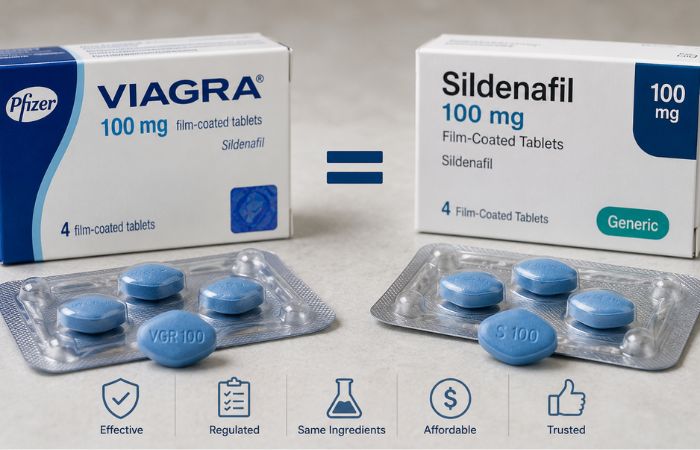
- Oral medications: Sildenafil, tadalafil, and similar drugs remain the most studied first-line treatment for erectile dysfunction.
- Lifestyle changes: Quitting smoking, managing blood pressure and cholesterol, and regular exercise all support healthy blood flow.
- Shockwave therapy: A non-invasive option some men try, particularly for mild to moderate erectile dysfunction, with modest supporting evidence.
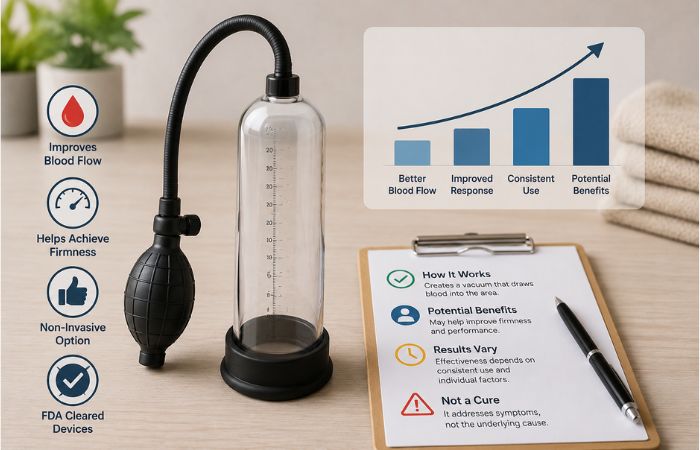
- Vacuum erection devices: A mechanical option that draws blood into the penis, used by some men as an alternative or addition to other treatments.
- Injections or implants: Reserved for more severe cases that do not respond to other treatments, typically discussed with a urologist.
- Addressing underlying conditions: Managing diabetes, low testosterone, or cardiovascular health, since these often play a direct role in erectile dysfunction.
Final Thoughts on Shockwave Therapy for ED
Shockwave therapy is not a miracle cure, but it is also not without merit.
The evidence suggests a real, if modest, benefit for some men, particularly those with mild to moderate erectile dysfunction related to blood flow.
Anyone considering this treatment should have a conversation with a urologist first, both to confirm the underlying cause of their erectile dysfunction and to set realistic expectations about what shockwave therapy can and cannot do.
Shockwave Therapy for Erectile Dysfunction FAQ
Does shockwave therapy actually work for erectile dysfunction?
Clinical trials show a modest improvement in erectile function scores compared to sham treatment, particularly in men with mild to moderate erectile dysfunction. The overall certainty of this evidence is still considered low by major reviews.
How many shockwave therapy sessions are usually needed?
Most studies use treatment courses ranging from six to twelve sessions over several weeks, though protocols vary between clinics and researchers. There is currently no universally agreed standard for the ideal number of sessions.
Is shockwave therapy painful?
Most men describe the sensation as mild discomfort rather than pain, and studies report low rates of significant side effects. Sessions are typically brief and done in an outpatient setting.
Is shockwave therapy covered by insurance?
In most cases, no. Because it lacks specific FDA approval for erectile dysfunction and is still considered investigational by major urology guidelines, it is usually paid for out of pocket.
Who is a good candidate for shockwave therapy?
Men with mild to moderate erectile dysfunction related to blood flow issues are the group most studied in current research. A urologist can help determine whether the underlying cause makes someone a reasonable candidate.
Can shockwave therapy be combined with medication like tadalafil?
Yes, some clinical trials have studied combining shockwave therapy with daily low-dose tadalafil, with early results suggesting this combination may work better than either treatment alone. This should be discussed with a doctor familiar with both approaches.
Source:
https://www.hopkinsmedicine.org/health/conditions-and-diseases/erectile-dysfunction
https://www.health.harvard.edu/mens-health/why-testosterone-levels-drop-and-when-to-consider-treatment
https://pubmed.ncbi.nlm.nih.gov/?term=testosterone
https://mlabs.umich.edu/tests/bioavailable-testosterone-panel

Richard Amaro, is a renowned writer, sex therapist, and coach, with years of experience helping individuals and couples enhance their relationships and intimacy. Read more about me…