When Should You See a Doctor About Erectile Dysfunction?
You should see a doctor about erectile dysfunction if it happens regularly for more than a few weeks, if it affects your confidence or relationships, or if it appears alongside other symptoms like chest pain, fatigue, or low mood. A doctor can find the cause and help you find a safe, effective solution.
Erectile dysfunction, often called ED, is more common than many people realize.
It can happen at any age, and it does not always mean something serious is wrong.
Still, knowing when it is time to get checked can save you stress and protect your long-term health.
What This Article Covers
- What erectile dysfunction is and how common it is
- Why ED matters beyond the bedroom
- Common causes and contributing factors
- Signs that suggest it is time to see a doctor
- How erections work in the body
- Common myths about ED
- What most people do first
- Treatment and management options
- Frequently asked questions
Why Erectile Dysfunction Matters for Your Health
Erectile dysfunction is not just a sexual health issue. It can be an early warning sign of other health conditions, including heart disease and diabetes.
Understanding what is normal and what is not can help you take action early.
- ED affects a large percentage of men at some point in life
- It can be linked to heart health, hormone levels, or mental health
- Talking about it openly can lead to better treatment outcomes
- Ignoring it can delay diagnosis of an underlying condition
What Is Erectile Dysfunction (ED)?
Erectile dysfunction is the repeated difficulty getting or keeping an erection firm enough for sexual activity.
An occasional issue is normal and usually not a concern.
It becomes a medical topic worth discussing when it happens often or starts affecting daily life.
- Occasional difficulty is common and often not a medical problem
- Frequent or ongoing difficulty may point to an underlying cause
- ED can be temporary or long-term, depending on the cause
What Causes Erectile Dysfunction?
ED can result from physical causes, emotional causes, or a mix of both.
Physical Causes of Erectile Dysfunction
- Reduced blood flow due to clogged or narrowed arteries
- High blood pressure or high cholesterol
- Diabetes or insulin resistance
- Low testosterone or other hormone imbalances
- Certain medications, such as those for blood pressure or depression
- Smoking, heavy alcohol use, or lack of physical activity
Emotional and Lifestyle Causes of ED
- Stress or anxiety, including performance anxiety
- Depression or low mood
- Relationship tension
- Poor sleep or chronic fatigue
Warning Signs of Erectile Dysfunction You Should Not Ignore
Some signs suggest it is time to book an appointment rather than wait it out.
- ED that happens most of the time for several weeks or longer
- Sudden onset of ED, especially in someone previously unaffected
- ED combined with chest pain, shortness of breath, or dizziness
- Low sex drive along with fatigue or mood changes
- ED that is causing stress, worry, or relationship strain
- Difficulty urinating or other new urinary symptoms
How Erections Work: The Basics Explained
An erection depends on a healthy connection between the brain, nerves, hormones, and blood vessels.
When aroused, the brain signals blood vessels in the penis to relax and widen, allowing blood to flow in and create firmness.
Anything that disrupts this signal or blood flow, such as nerve damage, poor circulation, or stress, can make erections harder to achieve or maintain.
Common Myths About Erectile Dysfunction
- Myth: ED only happens to older men. Younger men can experience it too, often linked to stress or lifestyle factors.
- Myth: ED means something is wrong with masculinity. It is a medical condition, not a reflection of a person’s worth.
- Myth: ED always requires medication. Many cases improve with lifestyle changes or addressing an underlying cause.
- Myth: It will just go away on its own. Sometimes it does, but ongoing ED usually benefits from evaluation.
What Most Men Try Before Seeing a Doctor
Many people feel unsure about bringing up ED, even with a doctor. It is common to first try lifestyle changes before seeking medical advice.
- Improving sleep habits and reducing stress
- Cutting back on alcohol or quitting smoking
- Exercising more regularly
- Talking with a partner about the issue
- Searching online for information before booking an appointment
These steps can help, but they do not replace a proper medical evaluation, especially if ED continues.
Erectile Dysfunction Treatment Options
Treatment depends on the underlying cause, so a doctor will usually start with a physical exam, a review of medications, and some basic tests.
- Lifestyle changes: Better sleep, regular movement, and reduced alcohol or tobacco use can improve blood flow and hormone balance
- Managing underlying conditions: Treating diabetes, high blood pressure, or cholesterol can improve ED symptoms
- Counseling or therapy: Helpful when stress, anxiety, or relationship issues play a role
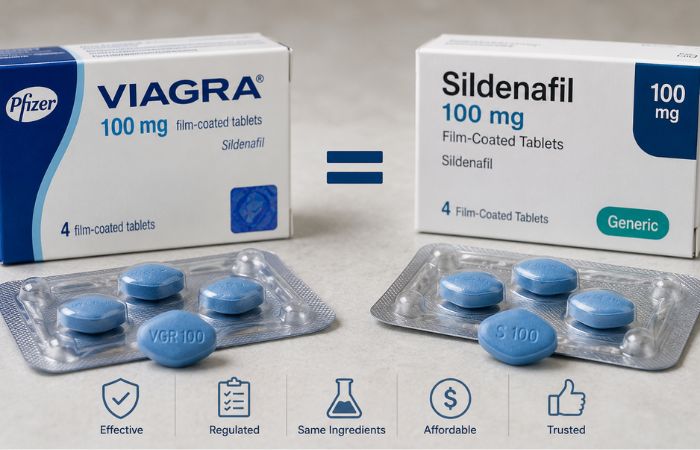
- Medication: Prescription options can help many men, though they are not right for everyone
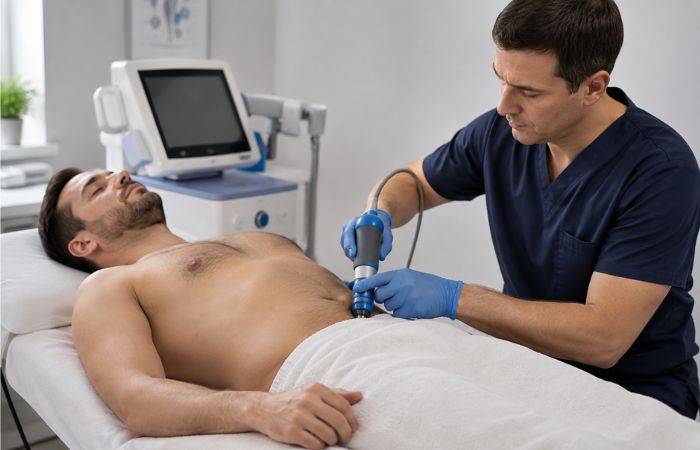
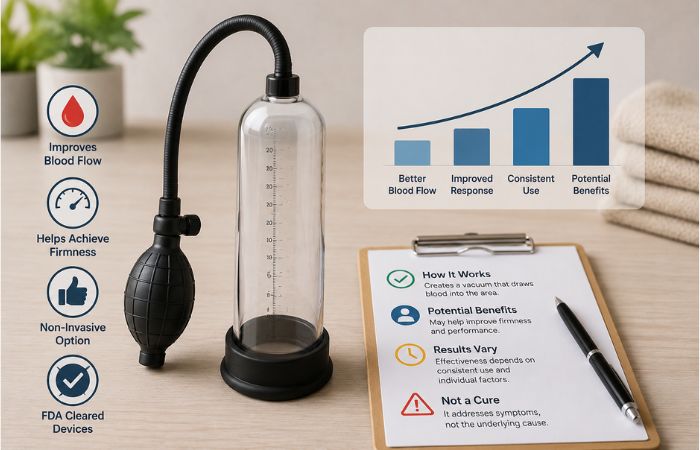
- Other medical treatments: In some cases, doctors may recommend further options based on test results
A doctor can help match the right approach to the actual cause rather than guessing.
Final Thoughts on Erectile Dysfunction and When to Seek Help
Erectile dysfunction is common, treatable, and nothing to feel ashamed about.
It can also be a useful signal from the body that something else needs attention.
Seeing a doctor early, especially when ED is frequent or paired with other symptoms, can lead to better health outcomes overall.
Erectile Dysfunction FAQs
Is Occasional Erectile Dysfunction Normal?
Yes. Occasional difficulty is common and usually not a sign of a medical problem. It becomes worth discussing when it happens regularly.
Can Erectile Dysfunction Be a Sign of Heart Disease?
It can be. Blood vessel problems that affect erections can also affect the heart, which is why doctors often check cardiovascular health during an ED evaluation.
At What Age Should I Be Concerned About Erectile Dysfunction?
ED can happen at any age. Concern is based on how often it happens and how it affects your life, not on age alone.
Do I Need Blood Tests for Erectile Dysfunction?
A doctor may recommend blood tests to check hormone levels, blood sugar, or cholesterol, since these can all contribute to ED.
Can Stress Alone Cause Erectile Dysfunction?
Yes. Stress and anxiety can interfere with the signals needed for an erection, even when there is no physical health issue.
Is Erectile Dysfunction Treatable?
In most cases, yes. Many people see improvement through lifestyle changes, treating an underlying condition, counseling, or medication.
Sources:
https://www.pennmedicine.org/conditions/male-hypogonadism
https://www.bcm.edu/healthcare/specialties/urology/mens-health/testosterone-replacement-therapy
https://medschool.umich.edu/health-lab-podcast/new-research-gender-affirming-testosterone-and-fertility
https://urology.stanford.edu/patient_care/patient_care.html

Richard Amaro, is a renowned writer, sex therapist, and coach, with years of experience helping individuals and couples enhance their relationships and intimacy. Read more about me…