Premature ejaculation (PE) is a common sexual concern, and many beliefs about it are inaccurate or oversimplified. It does not automatically mean that something is seriously wrong with your health or masculinity.
Understanding what premature ejaculation actually is, why it can happen, and which approaches may help can make it easier to address the problem without unnecessary embarrassment or misinformation.
Many men experience changes in ejaculation timing at some point in their lives.
When the problem happens repeatedly and causes distress, however, it may be worth discussing with a healthcare professional.
In This Article:
- What premature ejaculation means and when it may be considered a problem
- Common physical, psychological, and relationship factors that can contribute to PE
- Popular premature ejaculation myths that are not supported by good evidence
- How ejaculation is influenced by the brain, nerves, and sexual stimulation
- Common approaches used to improve ejaculation control
- When it may be helpful to speak with a doctor
Why Understanding Premature Ejaculation Matters
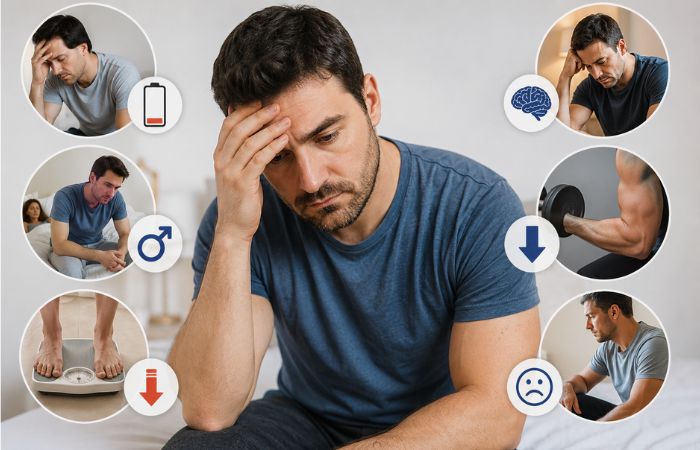
Premature ejaculation can affect more than sexual timing.
Some men experience frustration, embarrassment, anxiety, reduced sexual confidence, or relationship stress because of it.
Unfortunately, myths can make these feelings worse.
A man may believe that PE means he is unhealthy, inexperienced, or incapable of satisfying a partner.
These assumptions are not necessarily true.
Learning the facts can help separate a treatable sexual concern from unnecessary fear or shame.
What Is Premature Ejaculation?
Premature ejaculation is a condition involving ejaculation that occurs sooner than a person or couple would like, particularly when it happens repeatedly and is associated with difficulty controlling ejaculation or significant personal distress.
There is no single number of seconds or minutes that defines every case.
Sexual experiences vary considerably between individuals and couples.
Healthcare professionals generally consider factors such as how consistently the problem occurs, the person’s ability to delay ejaculation, how long the issue has been present, and whether it causes meaningful distress.
Is Premature Ejaculation Common?
Yes. PE is one of the more common male sexual concerns. Occasional episodes of ejaculating sooner than expected are also normal and do not necessarily indicate a medical disorder.
The important distinction is between an occasional experience and a persistent pattern that causes difficulty or distress.
Common Causes and Contributing Factors of Premature Ejaculation
Premature ejaculation can have several contributing factors. It is not always possible to identify one specific cause.
Psychological and Emotional Factors
- Sexual performance anxiety
- Stress and emotional pressure
- Relationship difficulties
- Depression or persistent low mood
- Worry about losing an erection
- Previous negative sexual experiences
Anxiety can create a cycle in which worrying about ejaculating too quickly increases tension during sex, which may make ejaculation harder to control.
Physical and Medical Factors
Some physical or medical factors may also contribute to ejaculation difficulties.
These can include certain prostate or thyroid problems, hormonal or neurological factors, inflammation, and other health conditions.
Erectile dysfunction can sometimes occur alongside PE.
A man who is worried about losing his erection may rush sexual stimulation, which can contribute to rapid ejaculation.
Sexual and Relationship Factors
Changes in sexual habits, relationship dynamics, communication, and stimulation patterns can also influence sexual response.
Because multiple factors can overlap, identifying the underlying contributors is often more useful than assuming there is one universal cause.
Signs and Effects of Premature Ejaculation
The main concern is usually ejaculation that repeatedly happens sooner than desired and feels difficult to control.
Possible effects include:
- Frustration during sexual activity
- Reduced sexual confidence
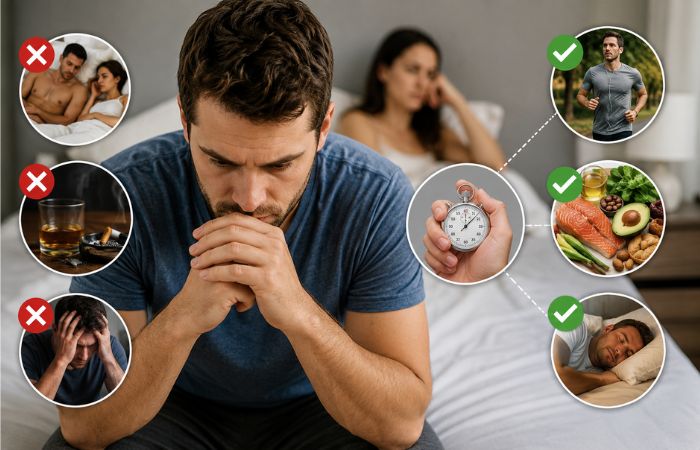
- Performance anxiety
- Avoiding sexual situations
- Relationship tension
- Concern about satisfying a partner
These effects can become more important than the ejaculation timing itself. Emotional distress and relationship difficulties deserve attention as part of the overall problem.
How Does Ejaculation Work?
Ejaculation involves coordinated activity between the brain, nervous system, pelvic muscles, reproductive structures, and sexual stimulation.
During sexual arousal, the nervous system processes signals from physical stimulation and the brain.
As arousal increases, the body can eventually reach a point at which ejaculation becomes increasingly difficult to delay.
Learning to recognize changes in arousal may help some men develop better control. However, ejaculation is not simply a matter of willpower.
Why Can Ejaculation Feel Difficult to Control?
Sexual arousal can rise quickly, particularly when anxiety, intense stimulation, or heightened excitement is involved.
Once ejaculation reaches a certain stage, stopping it voluntarily may become difficult.
This is one reason why strategies that focus on recognizing and managing arousal earlier can be useful for some men.
Premature Ejaculation Myths Debunked
Myth 1: Premature Ejaculation Means You Are Not Masculine
Fact: Ejaculation timing has nothing to do with masculinity or personal worth. PE is a sexual health concern that can affect men for many different reasons.
Myth 2: Premature Ejaculation Is Always Caused by Psychological Problems
Fact: Psychological factors can contribute to PE, but they are not the only possible contributors. Physical health, sexual factors, relationship circumstances, and other factors may also play a role.
Myth 3: You Just Need More Self-Control
Fact: Telling someone to simply “control yourself” oversimplifies how ejaculation works. Ejaculation involves involuntary physiological processes as well as conscious responses.
Myth 4: PE Only Happens to Young Men
Fact: Premature ejaculation can occur at different stages of adulthood. It may begin early in a man’s sexual life or develop later.
Myth 5: Premature Ejaculation Means You Cannot Have a Satisfying Sex Life
Fact: PE does not prevent couples from having satisfying sexual experiences. Communication, different forms of sexual stimulation, and appropriate treatment strategies can help couples find approaches that work for them.
Myth 6: There Is One Treatment That Works for Everyone
Fact: Treatment depends on the individual and the factors contributing to the problem. Some men benefit from behavioral approaches, counseling, topical treatments, prescription medications, or a combination of approaches.
Myth 7: Premature Ejaculation Is Something You Should Never Talk About
Fact: Sexual health concerns are legitimate medical concerns. Speaking with a healthcare professional can help identify possible contributing factors and appropriate treatment options.
What Do Men Usually Do About Premature Ejaculation?
Many men initially try to manage PE on their own. Common approaches include changing sexual stimulation, practicing techniques designed to delay ejaculation, reducing performance anxiety, or searching for supplements and other products marketed for sexual performance.
The problem is that not every product or online recommendation has reliable evidence behind it.
It is especially important to be cautious about products that promise an immediate or permanent cure without explaining possible risks or side effects.
What Options Can Help Improve Premature Ejaculation?
Several approaches may be considered depending on the cause, severity, and individual circumstances.
Behavioral Techniques
Some men learn techniques that involve temporarily reducing stimulation when arousal becomes very high and then resuming sexual activity after arousal decreases.
These techniques may require practice and patience rather than producing an immediate change.
Pelvic Floor Exercises
Pelvic floor muscle training may help some men improve awareness and control of the muscles involved in ejaculation.
Proper technique is important, and excessive or incorrect muscle tightening may not be helpful.
Counseling or Sex Therapy
When anxiety, stress, relationship difficulties, or negative sexual experiences contribute to PE, counseling or sex therapy may be useful.
Addressing the emotional component can also help break the cycle of anxiety and rapid ejaculation.
Topical Treatments
Certain topical anesthetic products can reduce penile sensitivity and may help delay ejaculation.
They should be used according to medical or product instructions because excessive application can reduce sexual sensation or potentially affect a partner.
Prescription Medications
Depending on the situation and country, healthcare professionals may recommend certain prescription medications for PE.
Some medications can affect ejaculation timing as a side effect and may be used specifically or when another condition is also being treated.
Medication should be discussed with a qualified healthcare professional rather than obtained or used based solely on online recommendations.
Treating Other Sexual or Medical Problems
If PE occurs alongside erectile difficulties, urinary symptoms, prostate concerns, medication effects, or another health problem, addressing the underlying issue may be an important part of treatment.
When Should You See a Doctor About Premature Ejaculation?
Consider speaking with a healthcare professional if ejaculation happens sooner than desired on a persistent basis and causes distress, frustration, relationship problems, or avoidance of sexual activity.
A medical evaluation can also be useful if the problem appears suddenly after previously normal sexual function, particularly when it occurs alongside other symptoms.
A doctor can review your medical history, medications, sexual health, and possible contributing factors before recommending an appropriate approach.
How to Talk About Premature Ejaculation With a Partner
Open communication can reduce pressure around sexual performance.
- Discuss the issue without blaming either partner.
- Focus on intimacy rather than ejaculation time alone.
- Talk about what types of stimulation feel comfortable.
- Allow sexual activity to include more than penetration.
- Consider seeking professional help together if the issue is creating relationship stress.
Premature ejaculation is a shared sexual experience when you are in a relationship, not a personal failure belonging to one person.
Final Thoughts on Premature Ejaculation Myths
Premature ejaculation is common, and many popular beliefs about it are misleading.
It is not a measure of masculinity, and it is not always caused by anxiety or a lack of self-control.
PE can involve a combination of physical, psychological, sexual, and relationship factors. The right approach depends on the individual.
If ejaculation happens sooner than desired repeatedly and causes significant distress, talking with a healthcare professional can be a practical first step.
Effective management is often possible, but it may take some experimentation and patience to find the approach that works best.
Frequently Asked Questions About Premature Ejaculation
What is the main cause of premature ejaculation?
There is no single cause for every man. Anxiety, stress, sexual factors, relationship circumstances, erectile difficulties, and certain physical or medical factors may contribute.
Is premature ejaculation a medical condition?
It can be considered a sexual dysfunction when it is persistent, involves limited control over ejaculation, and causes significant personal distress or relationship difficulty. Occasional early ejaculation does not necessarily mean someone has PE.
Can premature ejaculation be cured?
Many men can improve their ejaculation control or reduce the distress associated with PE. The most appropriate approach varies from person to person, and some men may need a combination of behavioral, psychological, and medical strategies.
Can stress make premature ejaculation worse?
Yes. Stress and performance anxiety can increase tension and arousal, potentially making ejaculation more difficult to delay for some men.
Does masturbation cause premature ejaculation?
There is no simple rule that masturbation causes PE. Individual sexual habits may influence arousal and ejaculation patterns, but premature ejaculation usually has multiple possible contributing factors.
Can pelvic floor exercises help premature ejaculation?
They may help some men develop better awareness and control of pelvic floor muscles. Consistent practice and proper technique are important.
Can condoms help with premature ejaculation?
Some men find that condoms reduce penile sensitivity and help them delay ejaculation. Results vary, and condoms should not be considered a guaranteed treatment.
Should I take supplements for premature ejaculation?
Be cautious with supplements marketed as quick solutions for PE. Evidence for many sexual-health supplements is limited, and some products may contain undisclosed or potentially harmful ingredients. Discuss supplements with a healthcare professional before using them.
Can premature ejaculation happen after years of normal sexual function?
Yes. PE can develop later in life. When ejaculation changes suddenly after previously normal sexual function, it is worth discussing the change with a healthcare professional to look for possible contributing factors.
When should I seek professional help for premature ejaculation?
If the problem is persistent, causes distress, affects your relationship, or develops alongside other sexual or physical symptoms, consider speaking with a doctor or qualified sexual-health professional.
Sources:
https://europepmc.org/article/MED/42415341
https://academic.oup.com/humrep/article-abstract/19/10/2303/589060?redirectedFrom=fulltext
https://academic.oup.com/jsm/article-abstract/10/6/1628/6940119?redirectedFrom=fulltext
https://www.sciencedirect.com/search?qs=testosterone

Richard Amaro, is a renowned writer, sex therapist, and coach, with years of experience helping individuals and couples enhance their relationships and intimacy. Read more about me…