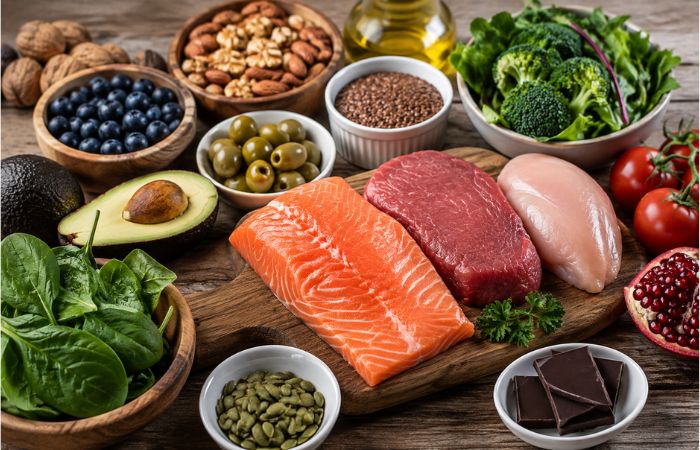
What Is The Best Diet for Erectile Dysfunction?
The best diet for erectile dysfunction is generally one that supports cardiovascular health, healthy blood vessels, and a healthy body weight. Eating more vegetables, fruits, whole grains, legumes, nuts, fish, and other minimally processed foods may support the circulation and metabolic health involved in normal erections.
Diet is not a guaranteed cure for erectile dysfunction, but it can be an important part of a broader approach to improving sexual and overall health.
Erectile dysfunction, commonly called ED, is the recurring difficulty getting or maintaining an erection firm enough for sexual activity.
It can affect men of different ages and may have physical, psychological, or lifestyle-related causes.
Because an erection depends on healthy blood flow, the health of the heart and blood vessels is closely connected to sexual function.
This is one reason nutrition matters.
A healthy eating pattern cannot fix every cause of ED. However, it can support factors that influence erectile function, including blood pressure, cholesterol, blood sugar, body weight, and cardiovascular health.
The goal is not to find one “magic” food.
A consistent eating pattern is much more important than adding a single ingredient to an otherwise unhealthy diet.
In This Article
- Why diet matters for erectile dysfunction
- How food and blood flow are connected
- The best foods to include
- Foods to limit
- How a Mediterranean-style diet may help
- Common causes and risk factors for ED
- Common misconceptions about ED diets
- Other lifestyle changes that may help
- When to speak with a healthcare professional
- Frequently asked questions
Why Does Diet Matter for Erectile Dysfunction?
An erection requires adequate blood flow to the penis.
When sexual stimulation occurs, blood vessels need to relax and allow more blood to enter erectile tissue.
Healthy blood vessels are therefore important for normal erectile function.
The same blood vessels that supply the heart and other parts of the body also contribute to sexual function.
Conditions that damage blood vessels, such as high blood pressure, diabetes, high cholesterol, and cardiovascular disease, can increase the risk of ED.
Diet can influence many of these health factors.
A balanced eating pattern may help support healthy blood pressure, cholesterol, blood sugar, body weight, and cardiovascular function.
This does not mean that diet is the only cause or treatment for ED. Instead, nutrition is one piece of a larger picture.
What Is the Best Diet for Erectile Dysfunction?
There is no single medically prescribed “ED diet” that works for everyone.
However, a Mediterranean-style eating pattern is often considered a useful model because it emphasizes foods associated with cardiovascular health.
This approach generally includes:
- Vegetables
- Fruits
- Whole grains
- Beans and other legumes
- Nuts and seeds
- Fish and seafood
- Healthy unsaturated fats
- Moderate amounts of poultry and other lean protein
- Limited highly processed foods
- Limited added sugars
The focus is on the overall pattern rather than individual foods.
Best Foods to Support Erectile Health
1. Leafy Green Vegetables
Spinach, kale, lettuce, Swiss chard, and other leafy greens provide nutrients and plant compounds that support overall cardiovascular health.
They can be included in salads, soups, vegetable dishes, or smoothies.
2. Berries and Other Fruits
Blueberries, strawberries, raspberries, oranges, apples, and other fruits provide fiber and a variety of vitamins and plant compounds.
Whole fruit is generally preferable to fruit juice because it provides more fiber and tends to be more filling.
3. Whole Grains
Oats, brown rice, barley, quinoa, and whole grain bread provide fiber and other nutrients.
Replacing some refined grains with whole grains can be a practical way to improve overall diet quality.
4. Beans and Legumes
Beans, lentils, chickpeas, and other legumes provide plant-based protein and fiber.
They can be used in soups, salads, stews, or as an alternative to some processed meat products.
5. Nuts and Seeds
Almonds, walnuts, pistachios, chia seeds, flaxseeds, and similar foods contain unsaturated fats and other nutrients.
Because nuts are calorie-dense, reasonable portions are usually more practical than eating large quantities.
6. Fatty Fish
Salmon, sardines, trout, and other oily fish provide omega-3 fatty acids and high-quality protein.
Including fish as part of a balanced diet can support cardiovascular health.
7. Olive Oil
Extra virgin olive oil is a common source of unsaturated fat in Mediterranean-style eating patterns.
It can be used in place of some sources of saturated fat, such as butter.
8. Avocados
Avocados provide fiber and predominantly unsaturated fats.
They can be added to salads, sandwiches, or meals as a nutrient-rich source of fat.
9. Tomatoes
Tomatoes provide vitamin C, potassium, and plant compounds. They are easy to incorporate into sauces, salads, soups, and other meals.
10. Water
Staying adequately hydrated supports normal body function. Water should generally be the primary beverage, especially when replacing sugary drinks.
Foods to Limit for Better Cardiovascular Health
There is no need to completely eliminate every food that is less nutritious.
The overall dietary pattern matters most.
However, eating large amounts of certain foods may make it harder to maintain cardiovascular and metabolic health.
Highly Processed Foods
Many packaged foods are high in refined carbohydrates, sodium, saturated fat, or added sugars.
Eating these foods frequently can make a heart-healthy diet more difficult to maintain.
Processed Meats
Processed meats such as certain sausages, bacon, and other cured meats are best consumed in moderation.
Sugary Drinks
Sodas, sweetened energy drinks, and other sugary beverages can add substantial amounts of sugar and calories without providing much nutritional value.
Excessive Alcohol
Heavy alcohol consumption can interfere with sexual function and may contribute to other health problems.
Reducing excessive alcohol intake may benefit overall health and sexual function.
Excess Sodium
High sodium intake can contribute to elevated blood pressure in some people. Limiting heavily salted and highly processed foods can help support healthier blood pressure.
How a Healthy Diet May Improve Erectile Function
The relationship between diet and erections is easier to understand when you look at the cardiovascular system.
A healthy diet can support normal blood pressure, blood sugar, cholesterol, and body weight.
These factors influence the condition of blood vessels.
When blood vessels function properly, they can respond appropriately to signals that increase blood flow during sexual arousal.
A healthier diet may therefore create better conditions for normal erectile function.
Diet may also help indirectly. Better nutrition can make it easier to maintain a healthy weight and remain physically active.
Can Weight Loss Improve Erectile Dysfunction?
For some men, losing excess weight may improve erectile function.
Excess body weight is associated with several conditions that can contribute to ED, including diabetes, high blood pressure, and cardiovascular disease.
Healthy weight loss may improve some of these risk factors.
However, weight loss is not guaranteed to resolve ED because erectile dysfunction can have many causes.
A sustainable approach is generally preferable to extreme diets or rapid weight-loss programs.
Common Causes of Erectile Dysfunction
Diet is only one factor that may influence erectile health.
Other possible contributors include:
- Cardiovascular disease
- High blood pressure
- Diabetes
- High cholesterol
- Obesity
- Smoking
- Heavy alcohol use
- Hormonal problems
- Nerve disorders
- Some medications
- Pelvic injuries or surgery
- Stress and anxiety
- Depression
- Relationship difficulties
More than one factor can be present at the same time.
Signs and Effects of Erectile Dysfunction
The main symptom of ED is difficulty getting or maintaining an erection that is firm enough for sexual activity.
Some men may be able to get an erection but lose it during sexual activity. Others may notice that erections are less firm than they used to be.
Occasional erection problems are common and do not necessarily indicate a medical condition.
Repeated or worsening difficulties deserve attention, particularly when they affect confidence, relationships, or quality of life.
Common Misconceptions About Food and ED
One Food Can Cure ED
No single food is a guaranteed cure for erectile dysfunction.
Claims that one fruit, vegetable, spice, or drink can permanently fix ED should be viewed cautiously.
Eating More “Superfoods” Is Enough
Adding healthy foods is useful, but the entire dietary pattern matters.
Eating berries every morning will not necessarily offset a diet that is otherwise high in processed foods and added sugars.
Supplements Are Better Than Food
Many products marketed as natural sexual enhancers have limited evidence and may contain ingredients that are not appropriate for everyone.
Some products marketed for sexual performance have also been found to contain undeclared drug ingredients.
It is safer to discuss supplements with a healthcare professional before using them.
ED Is Always Caused by Poor Diet
Diet can contribute to cardiovascular and metabolic health, but ED has many possible causes.
A healthy diet cannot correct every medical or psychological cause of erectile dysfunction.
What People Usually Do About Erectile Dysfunction
The appropriate approach depends on the cause.
Some people begin by improving lifestyle factors such as diet, exercise, sleep, smoking, alcohol use, and stress.
If ED continues, a healthcare professional can help identify potential causes.
This may involve discussing medical history, medications, lifestyle factors, sexual symptoms, and other health concerns.
In some cases, blood tests may be recommended to evaluate conditions such as diabetes, abnormal cholesterol, or hormonal problems.
Other Lifestyle Changes That May Help
Exercise Regularly
Regular aerobic exercise can support cardiovascular fitness and circulation. Strength training can also support muscle health and weight management.
Stop Smoking
Smoking damages blood vessels and increases cardiovascular risk. Quitting can support both overall and sexual health.
Get Enough Sleep
Poor sleep can affect energy, mood, metabolic health, and sexual function. Maintaining a consistent sleep schedule may be beneficial.
Manage Stress
Stress and anxiety can interfere with sexual arousal and erection maintenance. Regular exercise, relaxation techniques, counseling, or other appropriate strategies may help.
When Should You See a Healthcare Professional?
Consider talking with a healthcare professional if ED happens repeatedly, is becoming more frequent, or is causing significant distress.
This is particularly important if you have diabetes, high blood pressure, high cholesterol, cardiovascular disease, or other risk factors.
Persistent ED can sometimes be associated with vascular or metabolic health problems, so evaluating the underlying cause can be important.
Prescription treatments are also available for many men. Medications such as sildenafil and tadalafil may be appropriate in certain situations, but they are not safe for everyone.
For example, ED medications can interact dangerously with nitrate medications. A healthcare professional should determine whether a particular treatment is appropriate.
Key Takeaways
- A heart-healthy eating pattern may support erectile health.
- There is no single food that reliably cures erectile dysfunction.
- Mediterranean-style eating emphasizes many foods associated with cardiovascular health.
- Vegetables, fruits, whole grains, legumes, nuts, seeds, fish, and healthy fats can form the foundation of a balanced diet.
- Limiting highly processed foods, excess added sugars, excessive alcohol, and high-sodium foods may support overall health.
- Maintaining a healthy weight may reduce some risk factors associated with ED.
- Exercise, sleep, smoking cessation, and stress management can complement dietary changes.
- Persistent ED should be evaluated because it can have medical or psychological causes unrelated to diet.
Frequently Asked Questions About Best Diet for Erectile Dysfunction
What is the best diet for erectile dysfunction?
A Mediterranean-style eating pattern is a practical model because it emphasizes vegetables, fruits, whole grains, legumes, nuts, fish, and unsaturated fats while limiting highly processed foods.
What foods are good for erectile dysfunction?
Vegetables, fruits, whole grains, beans, lentils, nuts, seeds, fish, olive oil, and other minimally processed foods can support cardiovascular health and may be helpful as part of an overall healthy diet.
Can eating healthy improve erections?
A healthy diet may improve some factors associated with erectile function, particularly cardiovascular and metabolic health. However, it is not guaranteed to resolve ED.
Can sugar cause erectile dysfunction?
Eating excessive amounts of added sugar can contribute to weight gain and poor metabolic health. Diabetes is also an important risk factor for ED. Reducing excessive added sugar can therefore support overall health.
Is coffee bad for erectile dysfunction?
Moderate coffee consumption is not generally considered a direct cause of ED. However, individual responses to caffeine vary, particularly regarding sleep, anxiety, and heart symptoms.
Does alcohol affect erectile function?
Yes. Heavy alcohol consumption can interfere with sexual function and may contribute to other health conditions associated with ED.
Can losing weight improve erections?
It may. For men carrying excess weight, sustainable weight loss can improve some cardiovascular and metabolic risk factors associated with erectile dysfunction.
Are supplements for erectile dysfunction safe?
Not necessarily. Supplements marketed for sexual performance may have limited evidence and can interact with medications or contain undeclared ingredients. Discussing supplements with a healthcare professional is advisable.
How quickly can diet improve erectile dysfunction?
There is no guaranteed timeline. Improvements depend on the person’s health, diet, activity level, and underlying cause of ED. Dietary changes are most useful when maintained consistently over time.
Final Thoughts
The best diet for erectile dysfunction is not a restrictive menu or a collection of so-called miracle foods.
It is a sustainable eating pattern that supports healthy blood vessels, cardiovascular function, blood sugar, blood pressure, and body weight.
A Mediterranean-style approach provides a useful framework.
Filling more of your meals with vegetables, fruits, whole grains, legumes, nuts, seeds, fish, and healthy fats can improve overall diet quality.
At the same time, reducing highly processed foods, excessive added sugars, heavy alcohol consumption, and other habits that can negatively affect cardiovascular health may be beneficial.
Diet is only one part of erectile health. Regular exercise, good sleep, stress management, smoking cessation, and appropriate treatment of medical conditions can also matter.
If erectile difficulties are persistent or worsening, do not assume that food is the only answer.
A healthcare professional can help determine the underlying cause and identify appropriate treatment options.
Sources:
https://www.hopkinsmedicine.org/health/conditions-and-diseases/erectile-dysfunction
https://www.health.harvard.edu/mens-health/why-testosterone-levels-drop-and-when-to-consider-treatment
https://pubmed.ncbi.nlm.nih.gov/?term=testosterone
https://mlabs.umich.edu/tests/bioavailable-testosterone-panel

Richard Amaro, is a renowned writer, sex therapist, and coach, with years of experience helping individuals and couples enhance their relationships and intimacy. Read more about me…