Can Losing Weight Improve Erectile Dysfunction?
Yes, losing excess weight may improve erectile dysfunction (ED) for some men, particularly when excess body weight is linked to poor cardiovascular health, diabetes, high blood pressure, or low physical activity.
Weight loss can support healthier blood vessels, improve metabolic health, and make regular physical activity easier, all of which may benefit erectile function.
However, weight loss is not a guaranteed cure for ED.
Erectile difficulties can have many causes, including medications, medical conditions, psychological factors, and problems affecting the nerves or blood vessels.
Body weight can be one factor connected with erectile health.
Men who carry excess body fat may have a higher risk of conditions that affect erections, including cardiovascular disease, high blood pressure, and type 2 diabetes.
The good news is that lifestyle changes can sometimes improve several of these risk factors at the same time.
Losing weight gradually, becoming more physically active, eating a balanced diet, getting enough sleep, and managing existing health conditions may all contribute to better overall health and potentially better erectile function.
In This Article
- How weight and erectile dysfunction are connected
- Why excess weight can affect erections
- How weight loss may improve blood flow
- The role of physical activity and diet
- Other factors that can cause ED
- Common misconceptions about weight loss and ED
- Healthy ways to lose weight
- Other treatment options for erectile dysfunction
- Key takeaways
- Frequently asked questions
Why Does Weight Matter for Erectile Dysfunction?
An erection depends heavily on healthy blood vessels and adequate blood flow.
When a man becomes sexually aroused, blood vessels supplying the penis need to relax and allow increased blood flow into erectile tissue.
Anything that damages or restricts normal blood vessel function can potentially make erections more difficult.
Excess body weight is associated with several conditions that can affect blood vessel health.
These include high blood pressure, insulin resistance, type 2 diabetes, and abnormal cholesterol levels.
Excess weight may also be associated with lower physical activity, sleep problems, inflammation, and hormonal changes.
These factors can overlap and contribute to sexual difficulties.
Can Losing Weight Improve Erectile Dysfunction?
For some men, yes. Research suggests that lifestyle changes involving weight loss and increased physical activity may improve erectile function, especially in men whose ED is associated with obesity and cardiovascular or metabolic risk factors.
The potential benefit is not necessarily caused by losing a specific number of pounds.
Instead, weight loss can be part of a broader improvement in health.
For example, losing excess weight may help improve:
- Blood pressure
- Blood sugar control
- Cholesterol levels
- Cardiovascular fitness
- Physical mobility
- Insulin sensitivity
- Overall energy levels
These changes can create a healthier environment for normal erectile function.
How Weight Loss May Improve Erections
1. Better Blood Vessel Health
Healthy blood vessels are essential for erections. Excess body weight is associated with cardiovascular risk factors that can interfere with normal blood vessel function.
Gradual weight loss, combined with regular physical activity and a balanced diet, may help improve cardiovascular health.
Because the penis contains many small blood vessels, erectile problems can sometimes become noticeable when vascular health begins to decline.
2. Improved Blood Sugar Control
Excess weight can increase the risk of insulin resistance and type 2 diabetes.
Diabetes can affect blood vessels and nerves, both of which are important for normal erections.
Improving blood sugar control and managing diabetes appropriately can therefore be an important part of protecting erectile function.
3. Lower Blood Pressure
High blood pressure can damage blood vessels over time. It is also associated with an increased risk of erectile dysfunction.
Weight loss can help some people lower blood pressure, particularly when combined with regular exercise and a heart-healthy eating pattern.
4. Increased Physical Activity
People who lose weight through healthier lifestyle habits often become more physically active.
Exercise improves cardiovascular fitness and can support circulation. It may also help with stress, sleep, mood, and energy.
These benefits may contribute to improved sexual well-being.
5. Better Overall Metabolic Health
Metabolic health refers to how well the body manages factors such as blood sugar, blood pressure, cholesterol, and body fat.
Improving several of these factors together may provide greater benefits than focusing on weight alone.
What Is Erectile Dysfunction?
Erectile dysfunction is the persistent or recurring inability to get or maintain an erection that is adequate for sexual activity.
Occasional erection difficulties are common. Being tired, stressed, nervous, or having consumed too much alcohol can temporarily affect sexual performance.
ED becomes more concerning when erection problems occur regularly or begin to interfere with relationships and quality of life.
Common Causes and Contributing Factors of ED
Weight is only one possible factor.
Common physical contributors include:
- Heart and blood vessel disease
- High blood pressure
- Type 2 diabetes
- High cholesterol
- Obesity
- Hormonal problems
- Nerve disorders
- Pelvic injuries
- Certain medications
- Smoking
- Heavy alcohol consumption
Psychological factors can also contribute.
- Stress
- Anxiety
- Depression
- Sexual performance anxiety
- Relationship difficulties
- Low confidence
Many men have more than one contributing factor.
For example, a man may have mild vascular risk factors combined with anxiety about maintaining an erection.
Signs That Weight May Be Part of the Problem
There is no single symptom that proves excess weight is causing ED.
However, weight may be relevant when erectile difficulties occur alongside other signs of poor metabolic or cardiovascular health.
These can include:
- High blood pressure
- Elevated blood sugar
- Abnormal cholesterol
- Low physical fitness
- Increasing waist circumference
- Shortness of breath during ordinary activity
- Difficulty maintaining an active lifestyle
These signs do not diagnose ED or identify its exact cause. A healthcare professional can evaluate the full picture.
How Weight and Erections Are Connected?
Think of an erection as a process that requires good communication between the brain, nerves, blood vessels, and erectile tissue.
Sexual stimulation sends signals through the nervous system. The blood vessels supplying the penis then need to relax so that blood can enter the erectile tissue.
The blood also needs to remain within that tissue long enough to maintain firmness.
When blood vessels are unhealthy, blood flow may not increase efficiently.
Conditions such as diabetes, high blood pressure, and cardiovascular disease can interfere with this process.
Excess weight can increase the likelihood of several of these conditions.
Therefore, improving cardiovascular and metabolic health through sustainable weight loss may help create better conditions for normal erectile function.
Does Losing Belly Fat Specifically Improve ED?
Belly fat is often used to describe excess fat around the abdomen. Higher amounts of abdominal fat are associated with increased metabolic and cardiovascular risk.
Reducing overall excess body fat may improve several health markers, but there is no reliable way to choose exactly where the body loses fat first.
Instead of focusing on spot reduction, it is generally more useful to focus on sustainable weight management, physical activity, nutrition, sleep, and overall health.
Common Misconceptions About Weight Loss and ED
You Need to Lose a Large Amount of Weight
There is no universal amount of weight that must be lost before erectile function can improve.
Even modest lifestyle improvements can benefit blood pressure, physical fitness, and metabolic health in some people.
Weight Loss Will Cure Every Case of ED
This is not true. ED can result from many different causes.
A man may have erectile dysfunction caused primarily by medication, nerve damage, hormonal problems, psychological factors, or another medical condition that is not corrected simply by losing weight.
Only Diet Matters
Weight management is not just about food. Physical activity, sleep, stress, medications, medical conditions, and daily habits can all influence body weight and health.
Rapid Weight Loss Is Better
Very rapid weight loss is not necessarily healthier or more effective in the long term.
A gradual approach that can be maintained over time is generally more realistic.
ED Means You Are Unhealthy in Every Way
ED does not automatically mean that someone has poor overall health. It is a medical symptom with many possible causes.
However, persistent ED is worth discussing with a healthcare professional because it can sometimes occur alongside cardiovascular or metabolic problems.
Healthy Ways to Lose Weight
If weight loss is appropriate for you, the goal should be sustainable improvement rather than extreme dieting.
Increase Regular Physical Activity
Walking, cycling, swimming, jogging, strength training, and other activities can help increase energy expenditure and improve cardiovascular fitness.
Someone who is currently inactive can begin with shorter sessions and gradually increase activity.
Choose a Balanced Eating Pattern
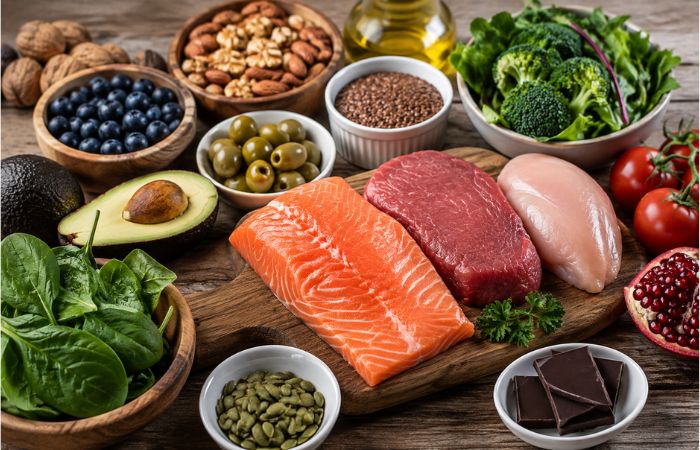
A healthy eating pattern can include vegetables, fruits, whole grains, beans, nuts, lean protein sources, and other nutrient-rich foods.
Reducing frequent intake of highly processed foods, sugary drinks, and excess calories can help some people manage their weight.
Prioritize Sleep
Sleep is often overlooked when discussing weight management. Poor sleep can affect appetite, energy, mood, and daily activity.
Establishing consistent sleep habits can support overall health.
Set Realistic Goals
Instead of attempting major changes immediately, focus on habits that can realistically be maintained.
For example, increasing daily walking, preparing more meals at home, or reducing sugary drinks may be easier to maintain than an extremely restrictive diet.
Other Ways to Improve Erectile Dysfunction
Weight management can be helpful, but it should not be the only strategy considered.
Exercise
Regular aerobic exercise can support cardiovascular health. Strength training can improve physical fitness and help maintain muscle mass.
Stop Smoking
Smoking damages blood vessels and is associated with cardiovascular disease and ED. Quitting can provide substantial health benefits.
Limit Alcohol
Heavy alcohol use can interfere with sexual function. Reducing excessive alcohol intake may help some men.
Manage Existing Health Conditions
Proper treatment of diabetes, high blood pressure, high cholesterol, and other medical conditions can be important for erectile health.
Address Stress and Anxiety
When psychological factors contribute to ED, counseling or sex therapy may be useful.
Discuss Medical Treatments
Prescription medications are available for many men with ED. Medications such as sildenafil and tadalafil can improve blood flow to the penis when sexual stimulation occurs.
These medications are not suitable for everyone and can interact dangerously with certain medicines, including nitrate medications. A healthcare professional should determine whether they are appropriate.
When Should You Talk to a Doctor?
If erectile difficulties happen repeatedly, it is worth discussing them with a healthcare professional.
This is particularly important if you also have high blood pressure, diabetes, high cholesterol, obesity, cardiovascular disease, or other health concerns.
An evaluation may help identify a treatable cause.
ED can sometimes appear before other symptoms of cardiovascular disease become obvious, so persistent erection problems should not automatically be dismissed as a sexual issue alone.
Key Takeaways
- Losing excess weight may improve erectile function in some men.
- The potential benefits are often related to improvements in cardiovascular and metabolic health.
- Exercise, healthy eating, adequate sleep, and sustainable weight management can work together.
- Conditions such as diabetes, high blood pressure, and high cholesterol can contribute to ED.
- Weight loss is not a guaranteed cure because ED has many possible causes.
- Persistent ED should be evaluated by a healthcare professional.
- Medical treatments are available when lifestyle changes alone are not enough.
Frequently Asked Questions
Can losing weight really improve erectile dysfunction?
Yes, it can for some men. Weight loss may improve cardiovascular health, blood pressure, blood sugar control, and physical fitness, which can support erectile function.
How much weight do I need to lose to improve erections?
There is no specific amount that applies to everyone. The potential benefit depends on factors such as starting weight, overall health, physical activity, and the underlying cause of ED.
Can losing belly fat help erections?
Reducing excess body fat, including abdominal fat, may improve overall metabolic and cardiovascular health. However, the body cannot reliably target fat loss from one specific area.
Can exercise improve ED without weight loss?
Yes. Exercise can support cardiovascular fitness and blood vessel health even when significant weight loss does not occur.
Can obesity cause erectile dysfunction?
Obesity is associated with a higher risk of ED and with several conditions that can contribute to erectile problems. However, obesity is not the only possible cause.
How long does it take for weight loss to improve ED?
There is no guaranteed timeline. Changes depend on the individual and the causes of ED. Improvements in fitness and metabolic health can occur progressively, but erectile function may not improve if another underlying problem is responsible.
Does walking help erectile dysfunction?
Regular brisk walking can improve cardiovascular fitness and support weight management. Because healthy circulation is important for erections, walking may be a useful part of an overall strategy for some men.
Can a healthy diet improve erectile function?
A balanced diet that supports cardiovascular and metabolic health may help reduce some risk factors associated with ED. Diet works best as part of an overall healthy lifestyle.
Is erectile dysfunction caused only by being overweight?
No. ED can have physical, psychological, medication-related, hormonal, neurological, and relationship-related causes. More than one factor may be involved at the same time.
Should I lose weight before seeing a doctor about ED?
No. You do not need to lose weight first. If ED is persistent or concerning, speaking with a healthcare professional can help identify the cause while you work on healthy lifestyle changes.
Our Final Recommendation
Losing excess weight can be an important step toward better overall health, and for some men it may also improve erectile function.
The potential benefit comes from improving the conditions that support healthy erections, including cardiovascular fitness, blood vessel health, blood pressure, blood sugar control, and physical activity.
A sustainable approach is usually the most useful.
Rather than focusing only on the number on the scale, consider the bigger picture: regular movement, balanced nutrition, good sleep, stress management, and appropriate treatment of existing health conditions.
Improving these areas can support both sexual health and long-term well-being.
Sources:
https://pursuit.unimelb.edu.au/articles/the-myth-of-testosterone-rex
https://clinicaltrials.gov/study/NCT03242408?term=testosterone&utm_source=chatgpt.com&viewType=Card&rank=1
https://europepmc.org/article/MED/42415341
https://pubmed.ncbi.nlm.nih.gov/8273987

Richard Amaro, is a renowned writer, sex therapist, and coach, with years of experience helping individuals and couples enhance their relationships and intimacy. Read more about me…