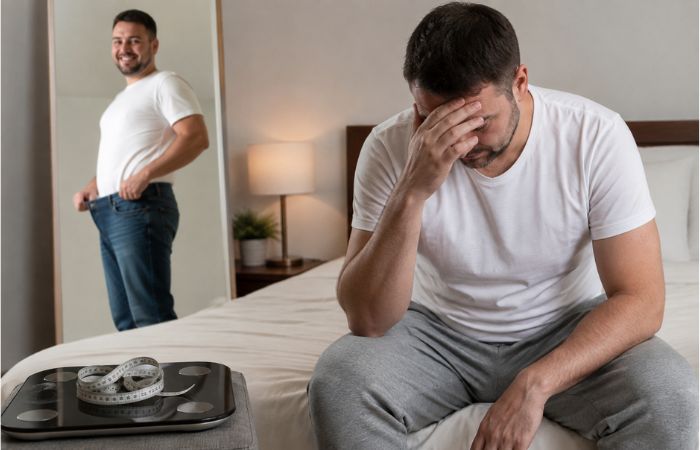
what Are The Best Exercises for Erectile Dysfunction
The best exercises for erectile dysfunction (ED) are regular aerobic exercise, pelvic floor exercises, strength training, and activities that support overall cardiovascular health.
Exercise may improve blood flow, fitness, weight management, and other factors that can contribute to better erectile function.
Erectile dysfunction is a common problem that can affect men at different ages. It means having difficulty getting or keeping an erection firm enough for satisfying sexual activity.
While ED can have many causes, physical activity is one lifestyle factor that can support sexual health. Regular exercise helps the heart and blood vessels work more efficiently, and healthy blood flow is important for achieving and maintaining an erection.
Exercise can also support a healthy body weight, reduce stress, improve sleep, and increase physical fitness. These factors may indirectly help erectile function as well.
In This Article
- Why exercise matters for erectile dysfunction
- How exercise can support better erections
- The best types of exercise for ED
- How pelvic floor exercises may help
- How often to exercise
- Common causes and contributing factors of ED
- Common misconceptions about exercise and ED
- What other treatment options exist
- When to speak with a healthcare professional
- Frequently asked questions
Why Exercise Matters for Erectile Dysfunction
An erection depends on several systems working together.
The brain sends signals, nerves communicate with the penis, hormones play a role, and blood vessels need to deliver enough blood to erectile tissue.
Because erections are closely connected with blood vessel function, cardiovascular health is particularly important.
Conditions that affect circulation, such as high blood pressure, diabetes, obesity, and cardiovascular disease, can also increase the risk of ED.
Regular physical activity supports cardiovascular fitness. It can help the body use oxygen more efficiently, improve endurance, and support healthy blood pressure and body weight.
Exercise may also help reduce some psychological factors associated with sexual difficulties.
Stress, anxiety, poor sleep, and low confidence can sometimes make erection problems worse.
Exercise is therefore best viewed as one part of an overall approach to sexual health rather than a guaranteed cure for every case of ED.
What Is Erectile Dysfunction?
Erectile dysfunction is the ongoing or recurring inability to get or maintain an erection that is sufficient for sexual activity.
Occasional difficulty getting an erection is common and does not necessarily mean that a person has ED.
Stress, tiredness, alcohol, relationship concerns, or temporary illness can affect erections from time to time.
Persistent or worsening problems deserve more attention because ED can sometimes be associated with an underlying health condition.
The causes may be physical, psychological, or a combination of both.
How Exercise Can Help Erectile Function
Exercise does not work like an instant erection treatment. Instead, its potential benefits develop over time.
Regular physical activity can support several systems involved in sexual function.
Better Cardiovascular Fitness
The cardiovascular system includes the heart and blood vessels. Healthy blood vessels are important because an erection requires increased blood flow to the penis.
Aerobic exercise, such as walking, cycling, swimming, or jogging, helps improve cardiovascular fitness.
Healthy Weight Management
Being overweight or obese can be associated with a higher risk of erectile dysfunction.
Regular activity can help with maintaining a healthy body weight when combined with appropriate nutrition.
Improved Physical Fitness
Better physical fitness can make everyday activities easier and may improve energy and stamina.
Feeling physically healthier can also support confidence and overall well-being.
Stress Management
Stress can interfere with sexual arousal and make it harder to maintain an erection.
Exercise can be a useful way to manage everyday stress and support emotional well-being.
Better Sleep
Regular physical activity is often associated with better sleep quality.
Adequate sleep is important for general health and may also support healthy sexual function.
Best Exercises for Erectile Dysfunction
There is no single exercise that works for everyone with ED.
A combination of aerobic activity, strength training, and pelvic floor exercises can provide a balanced approach.
1. Brisk Walking
Brisk walking is one of the simplest ways to increase physical activity. It does not require specialized equipment and can be adapted to different fitness levels.
Walking at a pace that raises your breathing and heart rate without making conversation impossible can provide useful cardiovascular activity.
For someone who is currently inactive, starting with shorter walks and gradually increasing duration can be more realistic than immediately attempting intense workouts.
2. Jogging
Jogging provides more cardiovascular demand than ordinary walking. It can help improve endurance and support cardiovascular fitness.
However, jogging is not necessary for everyone. People with joint problems, significant medical conditions, or low fitness levels may benefit from lower-impact activities instead.
3. Cycling
Cycling is another form of aerobic exercise that can improve cardiovascular fitness. Outdoor cycling and stationary cycling can both provide an effective workout.
Comfort and bike setup matter. Prolonged pressure on the perineal area may cause temporary numbness or discomfort in some cyclists.
4. Swimming
Swimming provides a full-body cardiovascular workout while placing relatively little impact on the joints.
It can be particularly useful for people who find walking or running uncomfortable.
Even moderate swimming sessions can contribute to an active lifestyle.
5. Strength Training
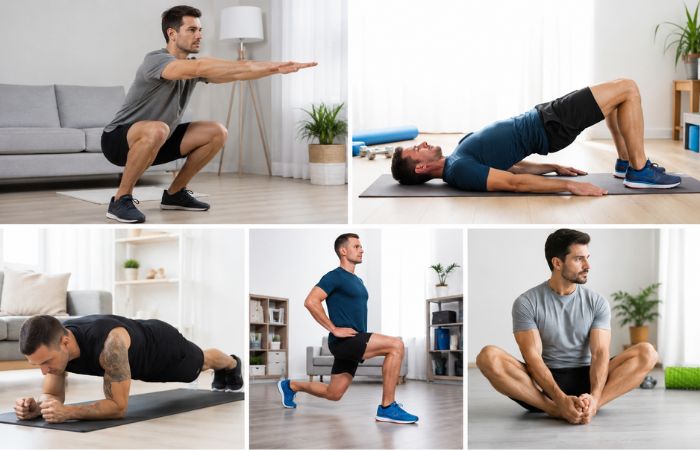
Strength training includes exercises such as squats, lunges, rows, presses, and other resistance movements.
Building and maintaining muscle supports physical fitness and can make it easier to stay active. Strength training can also contribute to healthy weight management.
A balanced program does not need to involve extremely heavy weights.
6. Pelvic Floor Exercises
Pelvic floor exercises, often called Kegel exercises, specifically target muscles involved in bladder control and sexual function.
The pelvic floor muscles help support the pelvic organs and may contribute to maintaining an erection and controlling ejaculation.
To identify the muscles, imagine briefly trying to stop the flow of urine. T
he muscles used for that action are part of the pelvic floor. This method is useful for identification, but repeatedly stopping urine flow during urination is not recommended as a regular exercise.
Once the muscles are identified, they can be gently contracted when the bladder is empty.
7. Interval Training
Interval training alternates periods of higher effort with periods of easier activity.
For example, a person might walk normally for several minutes and then walk faster for a shorter period before returning to an easier pace.
This type of training can improve cardiovascular fitness, but it should be adapted to the person’s current fitness level.
How Often Should You Exercise?
Consistency is more important than trying to exercise intensely for a few days and then stopping.
For general health, adults are commonly encouraged to aim for regular moderate-intensity aerobic activity each week, along with muscle-strengthening activities on multiple days.
Someone who is inactive can start gradually.
For example:
- Begin with short walks several days per week.
- Increase walking time gradually.
- Add strength exercises two or more days per week as appropriate.
- Include pelvic floor exercises regularly.
- Choose activities that are enjoyable enough to maintain long term.
The best routine is one that can be performed consistently and safely.
Common Causes of Erectile Dysfunction
Exercise may help with some contributors to ED, but erectile dysfunction can have many different causes.
Possible physical contributors include:
- Cardiovascular disease
- High blood pressure
- Diabetes
- Obesity
- High cholesterol
- Hormonal problems
- Nerve disorders
- Pelvic injuries or surgery
- Certain medications
- Smoking
- Excessive alcohol use
Psychological and relationship factors can also contribute.
Anxiety, depression, chronic stress, relationship difficulties, and sexual performance concerns may interfere with arousal or erection maintenance.
In many cases, more than one factor is involved.
Signs and Effects of Erectile Dysfunction
The main sign of ED is difficulty getting or maintaining an erection that is firm enough for sexual activity.
Some men may notice that erections are less firm than they used to be.
Others may be able to get an erection but lose it before or during sexual activity.
ED can also affect confidence and relationships.
Worrying about whether an erection will happen can create additional stress, which may make future sexual experiences more difficult.
Persistent ED should not simply be dismissed as an unavoidable part of aging.
It can sometimes be an early sign of cardiovascular or metabolic health problems.
How Erections Work in Plain English
An erection begins when the brain and nervous system respond to sexual stimulation.
Signals cause blood vessels supplying the penis to relax and allow more blood to enter erectile tissue. As the tissue fills, the penis becomes larger and firmer.
Blood must also remain within the erectile tissue long enough to maintain firmness.
This is why healthy blood vessels and circulation are important for erectile function.
Exercise supports cardiovascular health, but it does not directly replace medical treatment when an underlying condition is responsible for ED.
Common Misconceptions About Exercise and ED
Exercise Can Cure Every Case of ED
This is not accurate. Exercise can support cardiovascular health and may improve erectile function in some people, but ED can have many causes.
More Exercise Is Always Better
Excessive training without enough recovery can cause fatigue and may negatively affect overall well-being. A balanced routine is generally more practical.
You Need a Gym
You do not need a gym to become more active. Walking, bodyweight exercises, pelvic floor exercises, and home-based resistance training can all be useful.
Pelvic Floor Exercises Work Immediately
Pelvic floor training is not an instant solution. Like other forms of exercise, it generally requires regular practice.
ED Is Always Psychological
ED is not necessarily caused by anxiety or relationship problems. Physical factors are common, and many men have both physical and psychological contributors.
What People Usually Do About Erectile Dysfunction
The first step is often recognizing whether the problem is occasional or persistent.
For occasional difficulties, improving sleep, reducing stress, limiting alcohol, becoming more physically active, and addressing lifestyle factors may be helpful.
When ED happens regularly, a healthcare professional can evaluate possible causes.
This may include discussing medical history, medications, lifestyle factors, and symptoms.
Depending on the situation, a clinician may recommend lifestyle changes, counseling, medication, or treatment of an underlying health condition.
Other Options for Managing Erectile Dysfunction
Exercise is only one possible part of ED management.
Healthy Eating
A balanced eating pattern that emphasizes vegetables, fruits, whole grains, legumes, nuts, and other nutrient-rich foods can support cardiovascular health.
Stopping Smoking
Smoking can damage blood vessels and is associated with cardiovascular disease and erectile dysfunction. Quitting smoking can provide important health benefits.
Limiting Alcohol
Heavy alcohol use can interfere with sexual function. Reducing excessive alcohol consumption may help some people.
Managing Medical Conditions
Conditions such as diabetes, high blood pressure, and high cholesterol can affect blood vessel health. Proper management can be an important part of protecting erectile function.
Counseling or Sex Therapy
When anxiety, stress, depression, or relationship concerns contribute to ED, talking with a qualified mental health professional or sex therapist may be useful.
Prescription Treatments
Several prescription treatments are available for ED. Common medications include phosphodiesterase type 5 inhibitors, such as sildenafil and tadalafil.
These medicines are not appropriate for everyone. In particular, some combinations with nitrate medications can cause a dangerous drop in blood pressure.
A healthcare professional should determine whether a medication is safe and appropriate.
When Should You See a Healthcare Professional?
Consider speaking with a healthcare professional if erection problems are persistent, recurrent, worsening, or causing significant distress.
This is particularly important when ED appears alongside other symptoms or risk factors for cardiovascular disease.
A medical evaluation can help identify potentially treatable causes instead of assuming that the problem is simply related to age or sexual performance.
Seek urgent medical care for an erection that is painful or lasts unusually long, particularly when it continues for several hours.
A Simple Exercise Routine to Start With
Someone who is medically able to exercise can build a routine gradually.
- Walking: Start with 20 to 30 minutes at a comfortable but purposeful pace on most days.
- Strength training: Perform basic resistance exercises two or more days per week.
- Pelvic floor exercises: Practice controlled contractions and complete relaxation regularly.
- Mobility: Include gentle stretching or mobility exercises as needed.
- Recovery: Allow adequate rest and avoid suddenly increasing exercise intensity.
The routine can be adjusted according to age, fitness level, medical history, and personal preferences.
Key Takeaways
- Regular exercise may support erectile function by improving cardiovascular fitness and overall health.
- Aerobic activities such as brisk walking, cycling, swimming, and jogging are useful options.
- Strength training can support fitness, muscle health, and weight management.
- Pelvic floor exercises may help strengthen muscles involved in sexual function.
- Consistency is generally more useful than occasional intense workouts.
- Exercise does not treat every cause of erectile dysfunction.
- ED can sometimes be associated with cardiovascular, metabolic, hormonal, medication-related, or psychological factors.
- Persistent ED deserves medical evaluation, especially when other health problems are present.
- Lifestyle changes can complement, but do not necessarily replace, medical treatment.
Frequently Asked Questions
What is the best exercise for erectile dysfunction?
There is no single best exercise for everyone. Regular aerobic exercise, such as brisk walking, combined with strength training and pelvic floor exercises, can provide a well-rounded approach to supporting sexual and cardiovascular health.
Can walking improve erectile dysfunction?
Regular walking can improve cardiovascular fitness and support healthy weight management. Because healthy blood vessel function is important for erections, walking may be beneficial for some men with ED.
Do Kegel exercises help men with ED?
Pelvic floor exercises may help some men improve aspects of erectile and sexual function. They should be performed correctly and consistently rather than with excessive force.
How long does exercise take to improve erectile function?
There is no guaranteed timeline. Changes depend on the person’s health, fitness level, cause of ED, and consistency with exercise. Some benefits of physical activity can develop gradually over weeks or months.
Can exercise replace ED medication?
Not necessarily. Some men may improve with lifestyle changes, while others need medical treatment. Medication should not be stopped or changed without discussing it with a healthcare professional.
Can being overweight cause erectile dysfunction?
Excess body weight can be associated with conditions that increase the risk of ED, including cardiovascular disease, diabetes, and metabolic problems. Improving physical activity and maintaining a healthy weight may therefore support erectile health.
Can too much exercise cause erection problems?
Very intense exercise combined with inadequate recovery can contribute to fatigue and other health problems. A balanced exercise program with appropriate rest is generally preferable.
Is erectile dysfunction a normal part of aging?
Erectile difficulties become more common with age, but persistent ED should not automatically be considered an unavoidable part of getting older. Health conditions and medications that become more common with age may contribute, and many causes can be addressed.
Can exercise help performance anxiety?
Exercise may help reduce everyday stress and support general mental well-being. However, persistent sexual performance anxiety may benefit from counseling or sex therapy, particularly when anxiety is directly affecting sexual experiences.
When should I get checked for ED?
If erection problems happen repeatedly or are becoming more frequent, it is reasonable to discuss them with a healthcare professional. An evaluation can help determine whether an underlying medical or psychological factor is contributing.
Final Thoughts
The best exercises for erectile dysfunction are not necessarily the most intense ones.
A consistent combination of aerobic activity, strength training, and pelvic floor exercises can support cardiovascular fitness, physical health, and the systems involved in normal erectile function.
However, exercise should be considered part of a broader approach. Persistent erectile dysfunction can sometimes signal an underlying health problem, so addressing the possible cause is important.
For many men, starting with manageable physical activity and gradually becoming more active is a practical first step.
If ED continues, a healthcare professional can help identify the cause and discuss appropriate treatment options.
Sources:
https://stanfordhealthcare.org/medical-conditions/mens-health/low-testosterone.html
https://www.endocrine.org/clinical-practice-guidelines/testosterone-therapy
https://www.auanet.org/guidelines-and-quality/guidelines/testosterone-deficiency-guideline
https://thischangedmypractice.com/testosterone-testing-male-hypogonadism

Richard Amaro, is a renowned writer, sex therapist, and coach, with years of experience helping individuals and couples enhance their relationships and intimacy. Read more about me…